PODS Moving & Storage – Legacy System Modernization & Code Intelligence Initiative [Case Study]

.NET Framework SQL Server Enterprise Architecture Modeling Workflow Mapping Code Analysis Tooling Microsoft Dynamics 365 Integration System Documentation Frameworks UX Prototyping (Adobe XD) Data Extraction Utilities

Enterprise Legacy System Analysis & Modernization Strategy for PODS

01

Project Overview

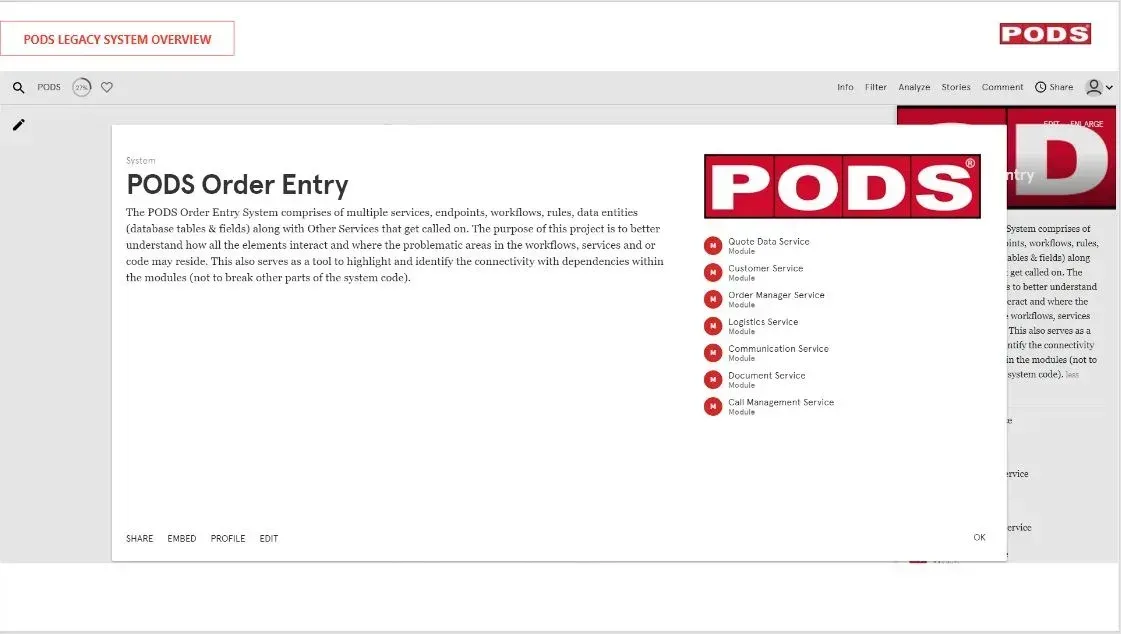
PODS operates a complex legacy Order Entry and Quote Service ecosystem integrating multiple internal systems, including dispatch (TMS), web applications, database layers, and Microsoft Dynamics 365.

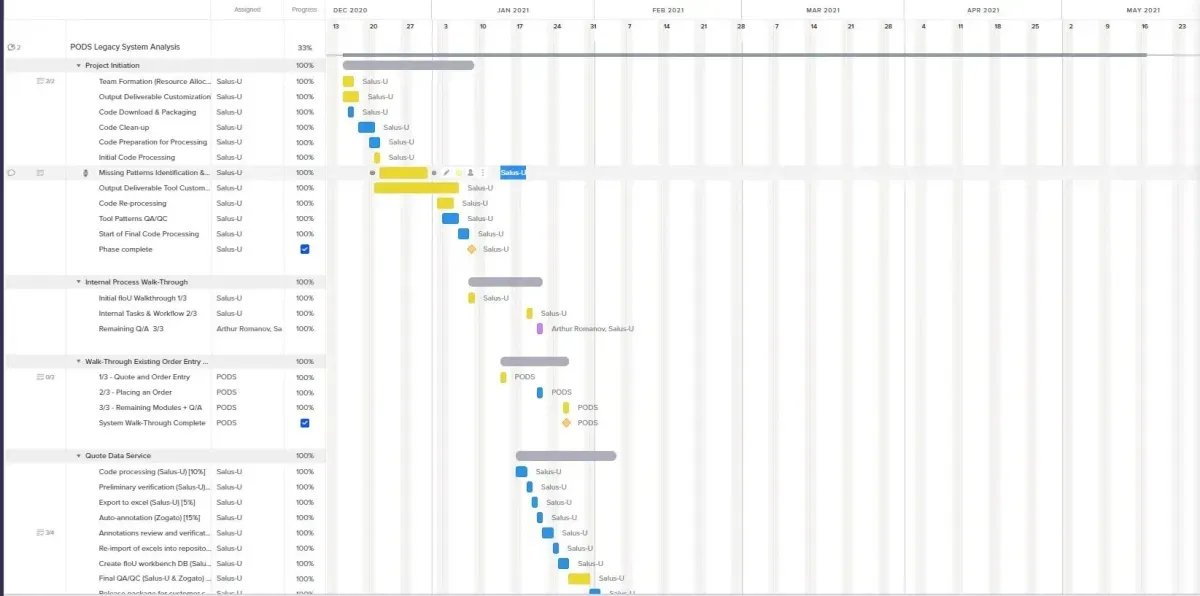
The initiative focused on delivering a comprehensive analysis of the legacy architecture — mapping workflows, extracting business logic from source code, and documenting inter-system connectivity to prepare the organization for future modernization and migration strategies.

This was not a redesign project.

It was a deep architectural intelligence initiative.

Project Overview
02

The Enterprise Challenge

The PODS legacy system had evolved over many years with layered business rules, tightly coupled modules, and undocumented service logic.

Key challenges included:

  • Limited documentation of service connectivity
  • Hidden business rules embedded in legacy code
  • Complex quote and order orchestration logic
  • Interdependencies between Order Entry, Quote Service, Dispatch (TMS), and Dynamics 365
  • Risk exposure during modernization due to unclear module boundaries
  • No centralized architecture visualization

Without clear system intelligence, modernization efforts risked operational disruption.

The Enterprise Challenge
03

My Solution

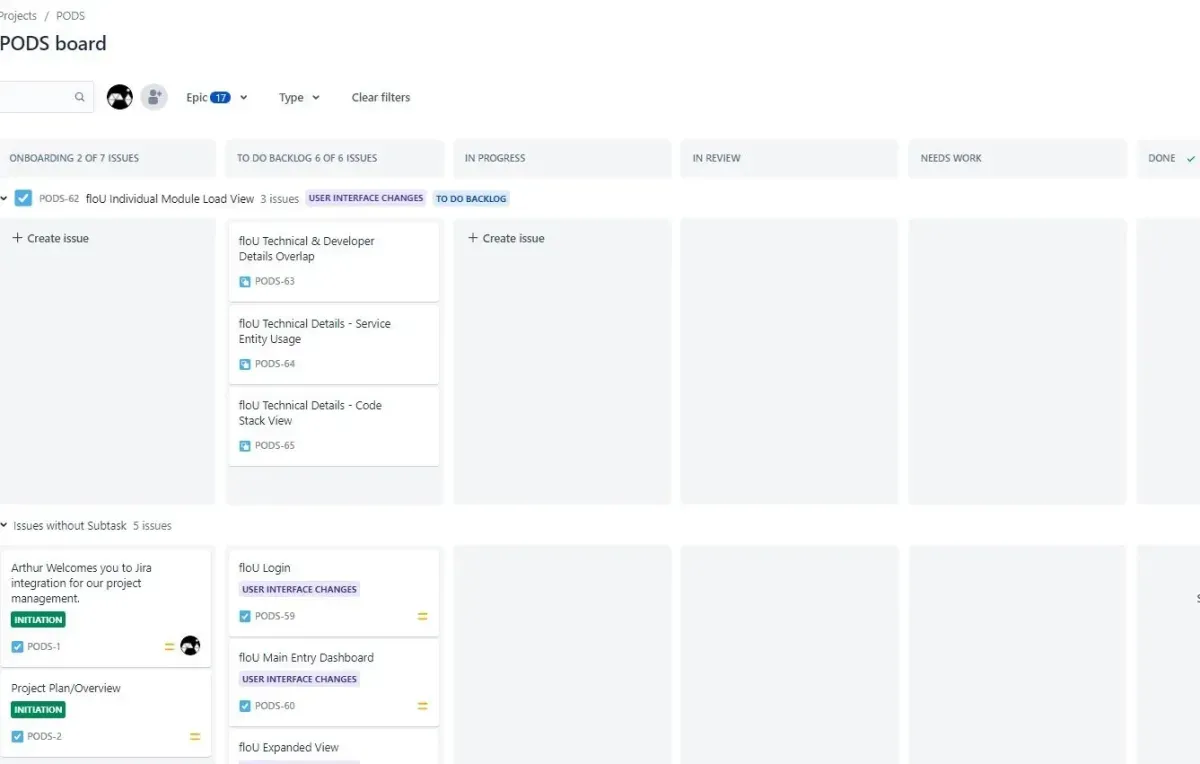
I led the structured breakdown and intelligence modeling of the ecosystem through:

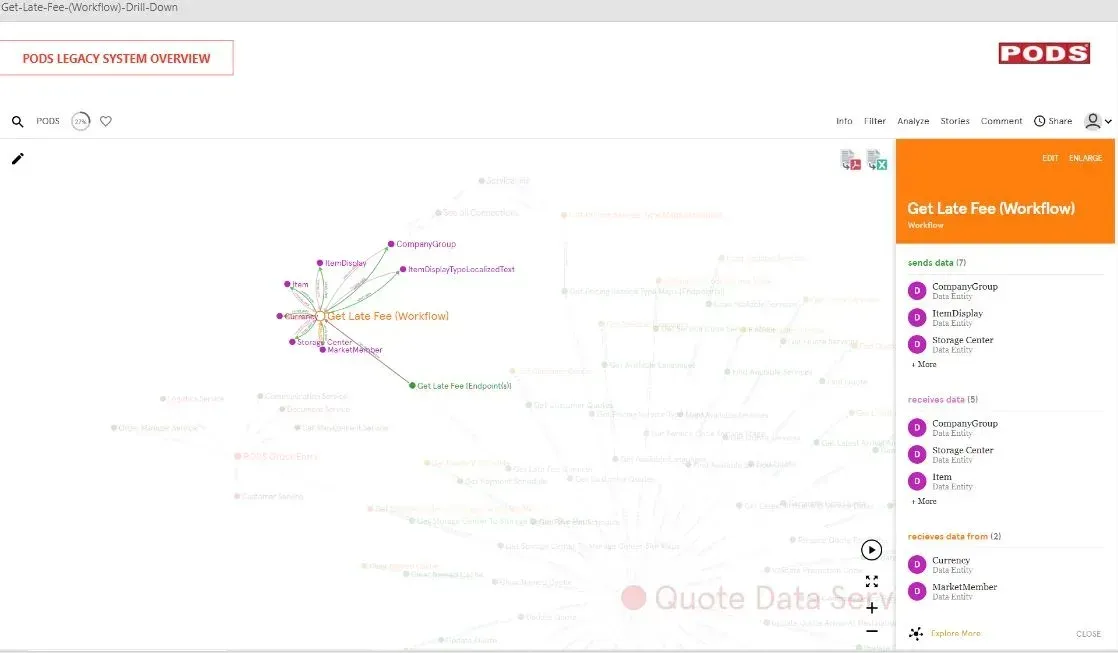
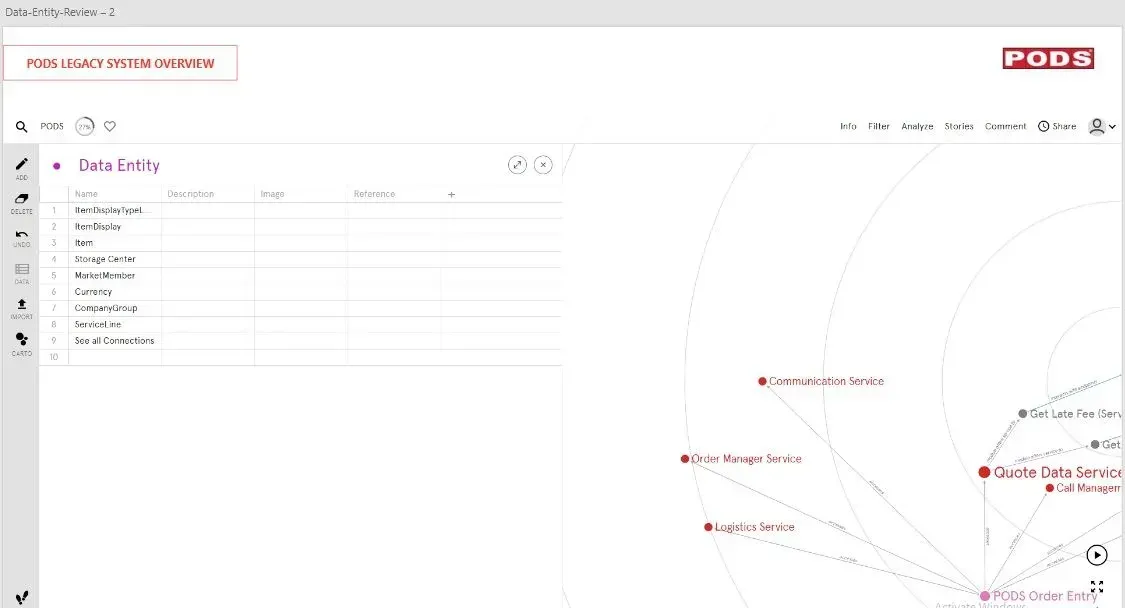
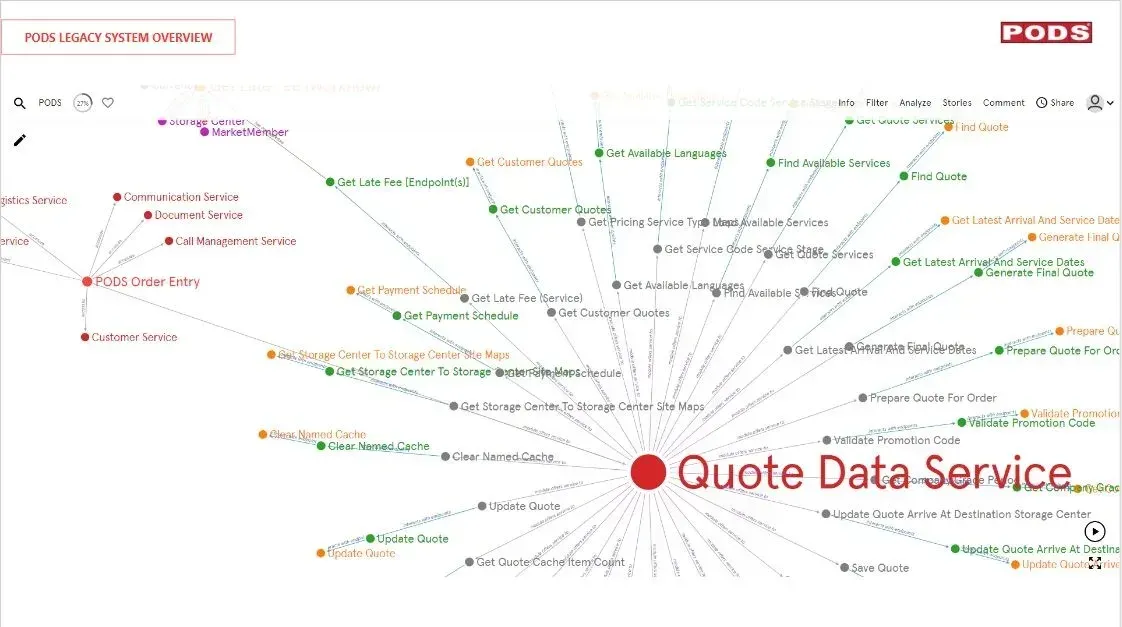
1️⃣ System Connectivity Mapping

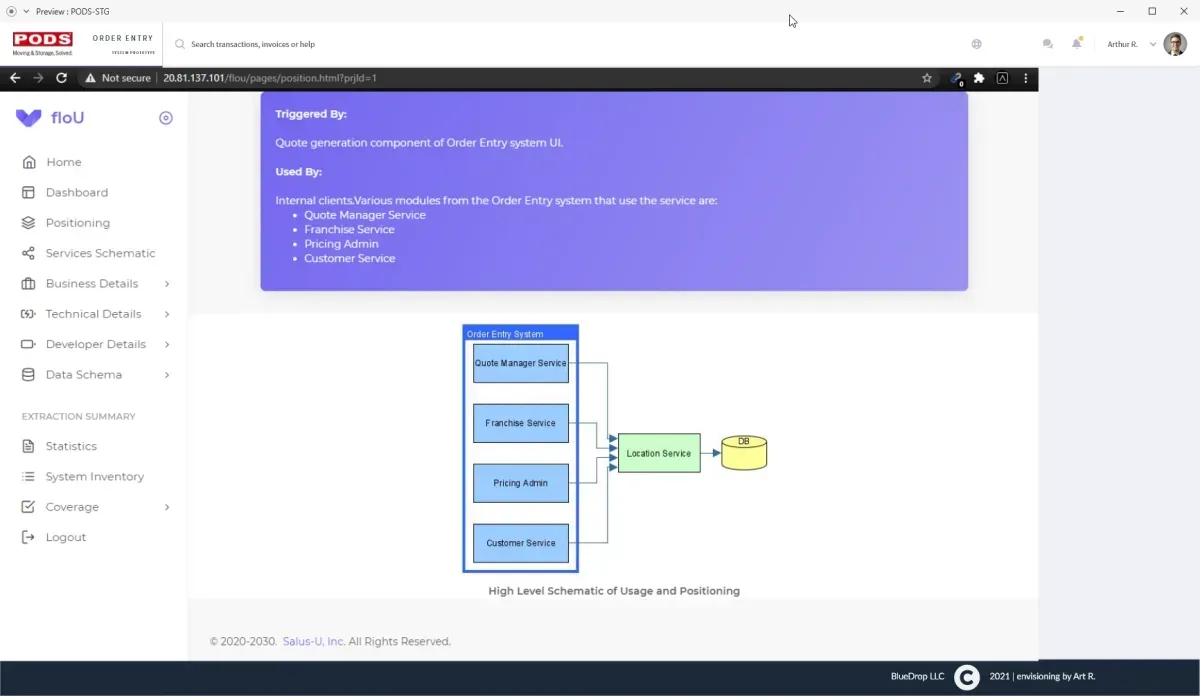
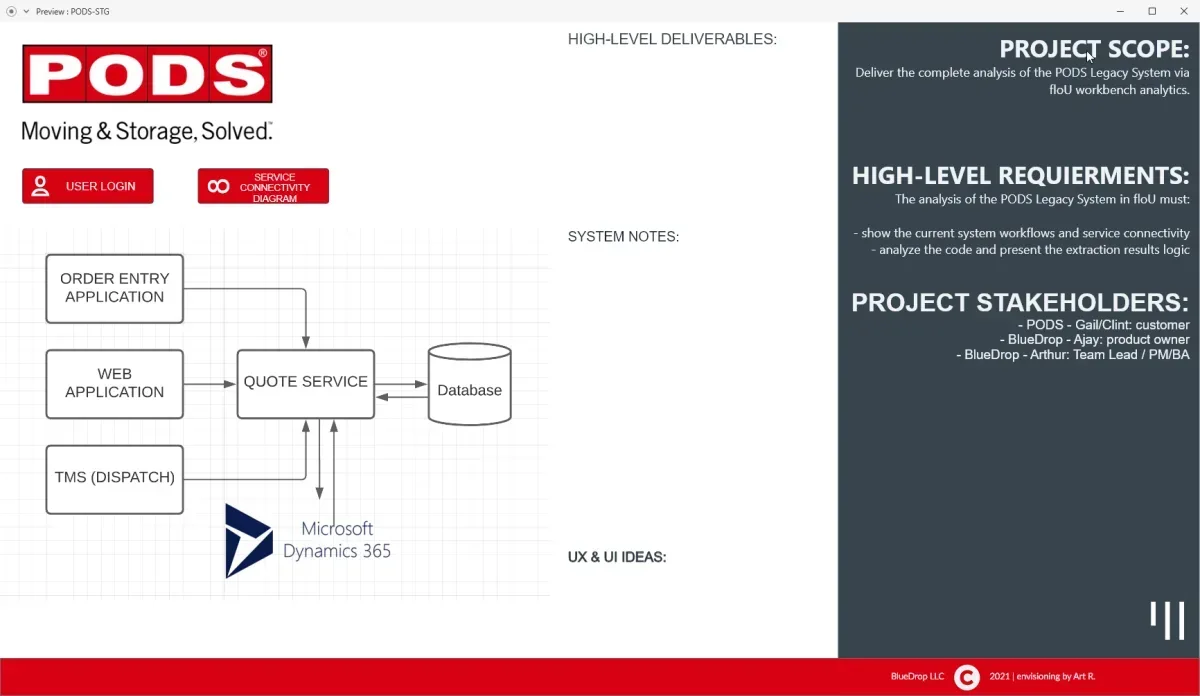
Created service diagrams mapping:

  • Order Entry Application
  • Web Application
  • Quote Service
  • Database layer
  • TMS (Dispatch)
  • Microsoft Dynamics 365 integration

This visual architecture exposed service dependencies and call flows.

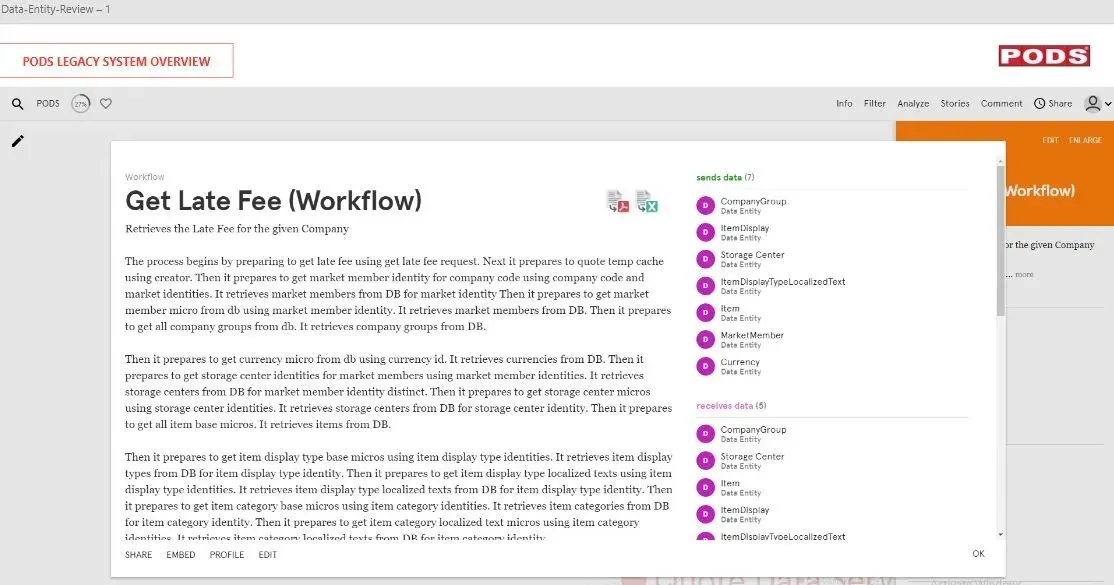
2️⃣ Code Extraction & Business Logic Analysis

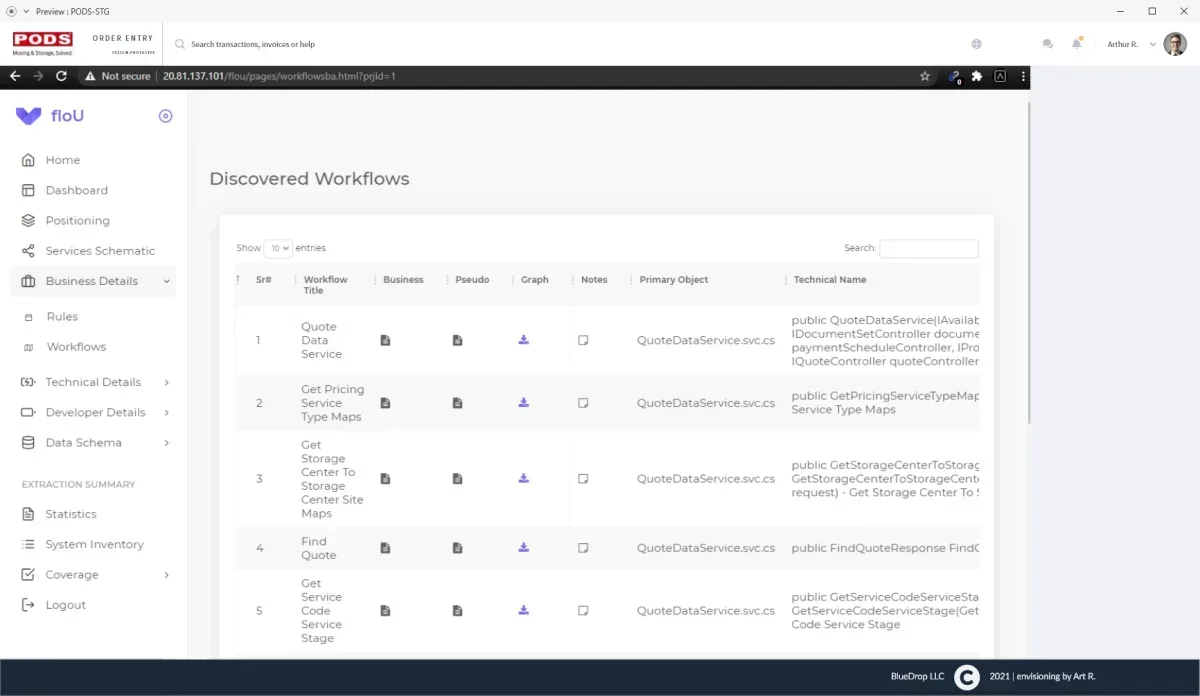
Developed tooling and structured methodology to:

  • Analyze source modules
  • Extract rule logic
  • Identify workflow branching patterns
  • Surface hidden calculation structures
  • Map service orchestration layers
  • This converted undocumented legacy logic into structured documentation artifacts.

3️⃣ Workflow Decomposition

Modeled:

  • Quote lifecycle
  • Container allocation logic
  • Storage center workflows
  • Market warehouse relationships
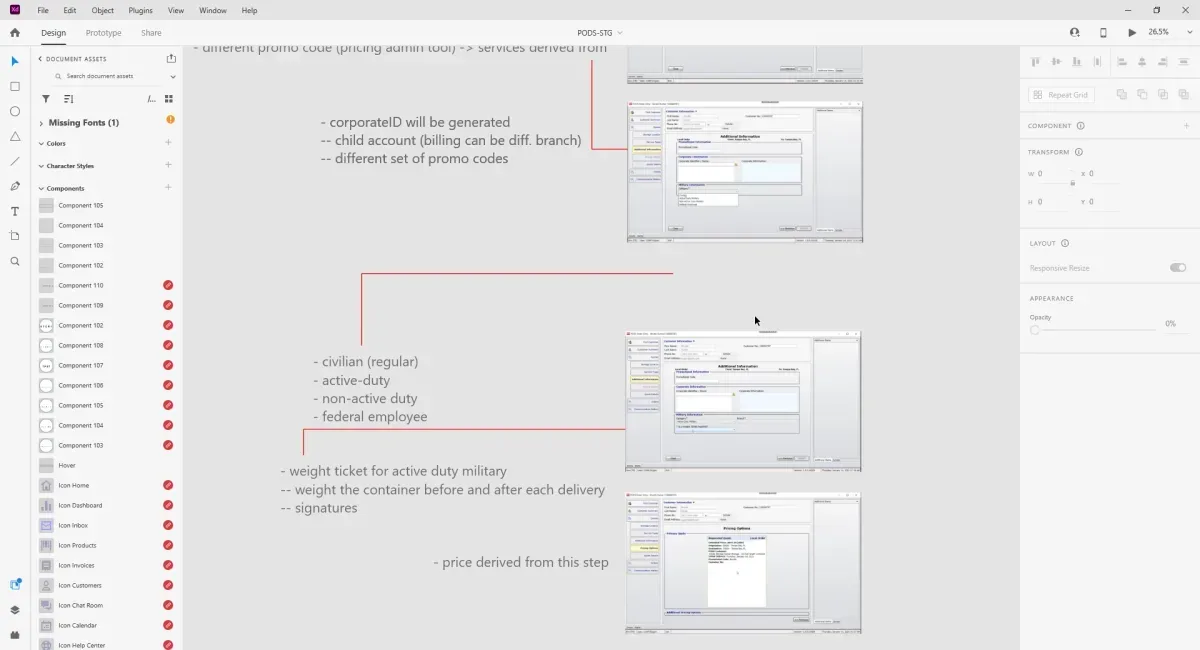
  • Service selection and pricing logic

Each business flow was decomposed into modular components.

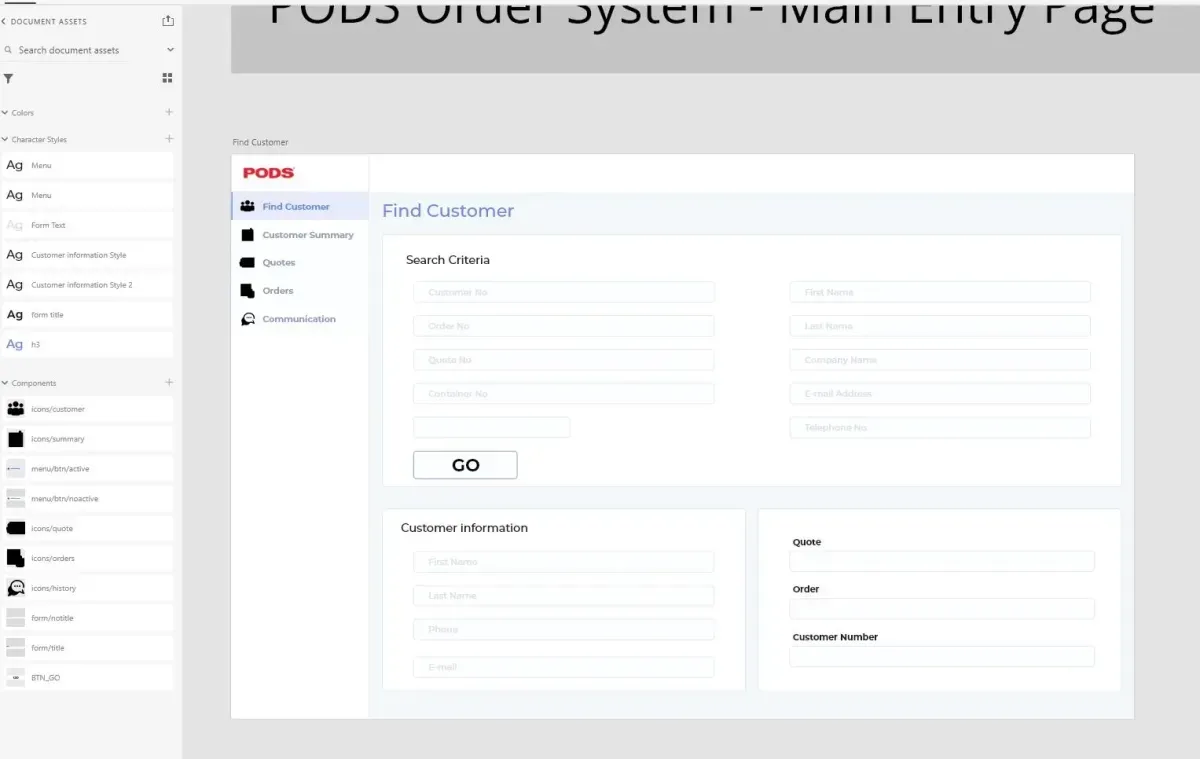
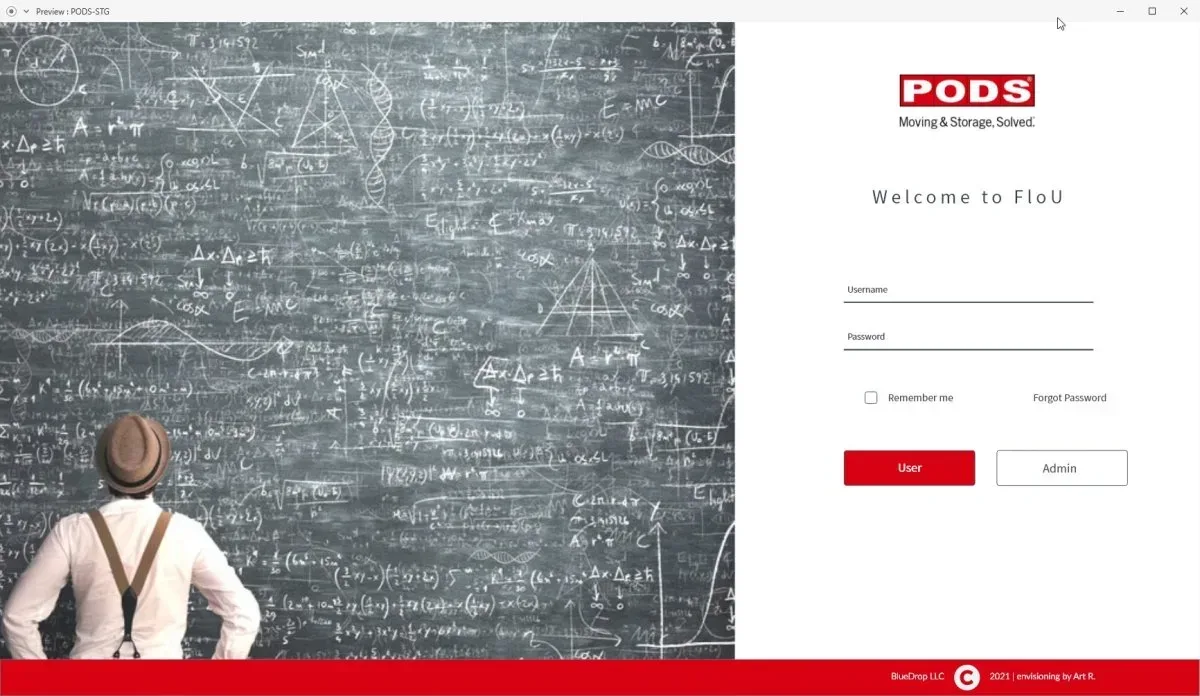
4️⃣ UX & Modernization Strategy

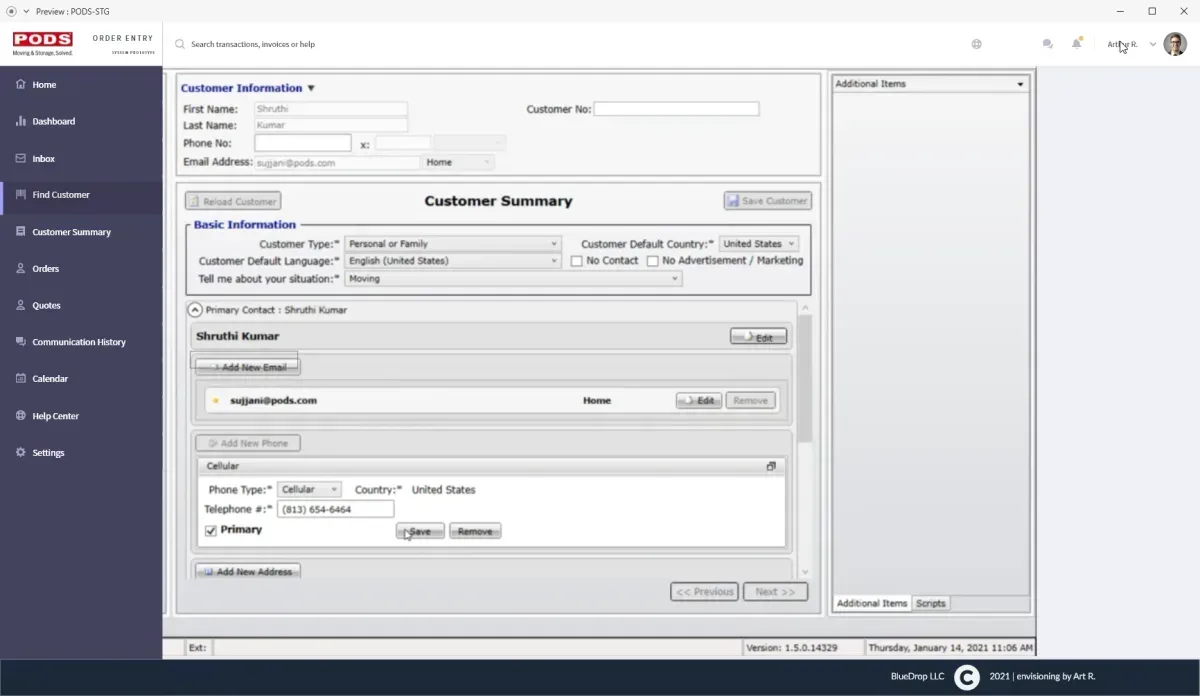
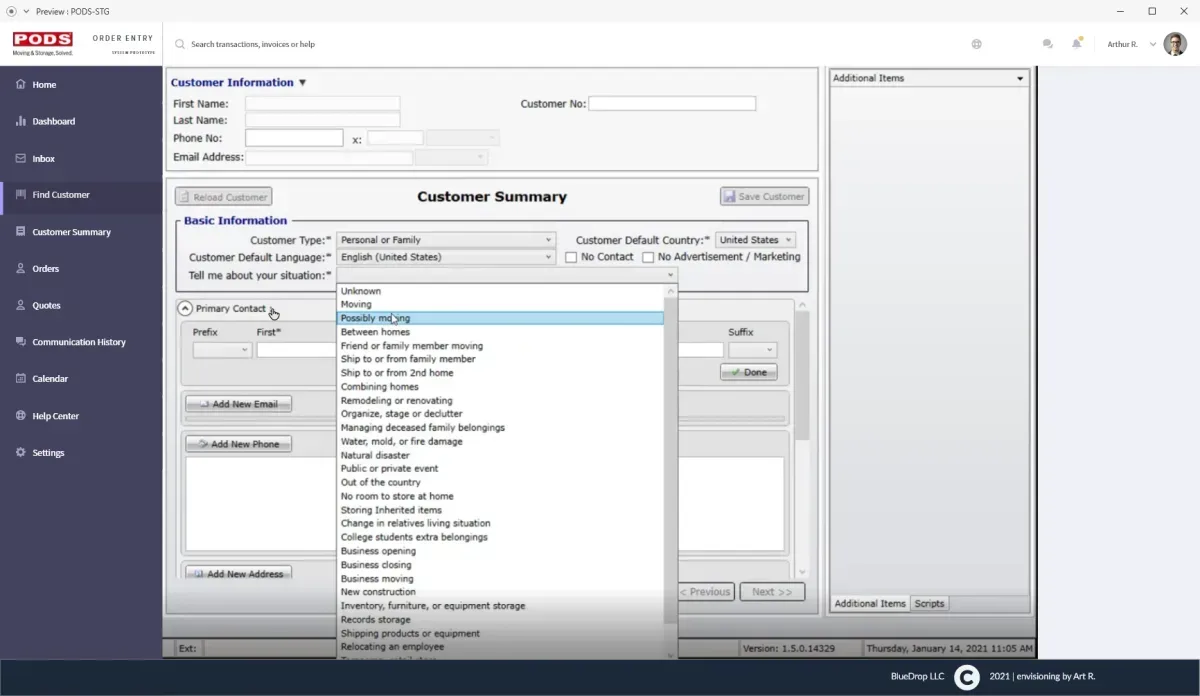
Produced high-level UX concepts to demonstrate:

  • Simplified order entry flows
  • Service configuration improvements
  • Modular interface restructuring
  • Improved system transparency

This bridged engineering findings with executive-level modernization vision.
My Solution
My Solution
My Solution
04

Stakeholders

  • PODS – Enterprise Customer
  • BlueDrop – Product Ownership
  • Cross-functional Engineering Teams
  • Architecture & Modernization Leadership
Stakeholders
My Role
05

My Role

Team Lead | Product Manager | Business Architect

  • Led legacy system analysis initiative
  • Defined code extraction and evaluation methodology
  • Coordinated engineering and architecture stakeholders
  • Built service connectivity diagrams
  • Modeled workflow decomposition
  • Translated technical findings into modernization strategy